What Every Apopka Homeowner Should Know About Duct Inspections
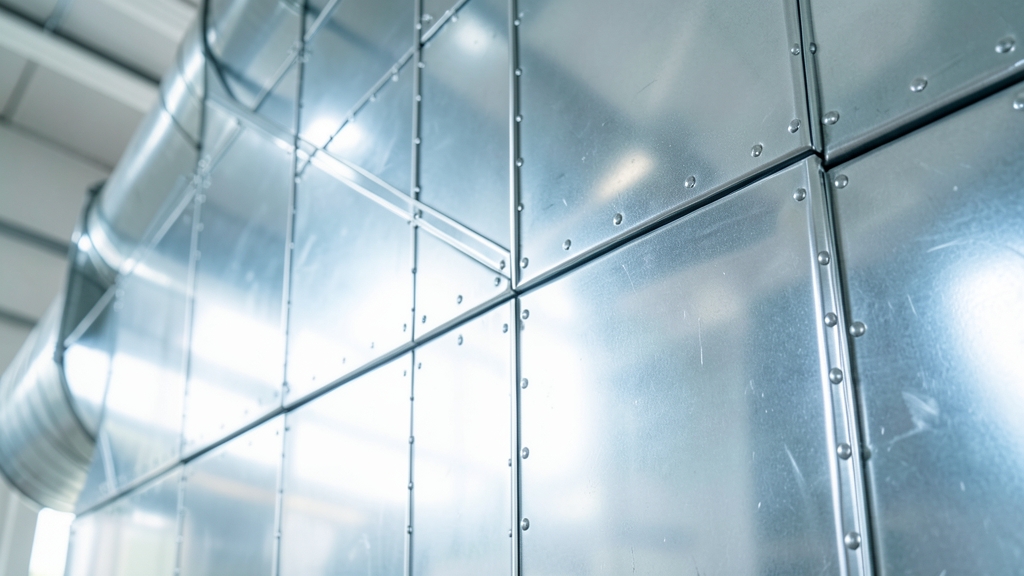
Apopka’s humid climate and seasonal pollen spikes mean your ductwork faces unique challenges. A thorough duct inspection reveals hidden issues—from mold growth to airflow blockages—that silently degrade indoor air quality and HVAC efficiency. We’ll break down what to expect, when to act, and how to keep your system running cleanly year-round.
Why Duct Inspections Are Non-Negotiable in Central Florida
High humidity in Apopka, Ocoee, and Winter Garden creates ideal conditions for mold and mildew inside ductwork. Even a thin layer of spores can circulate allergens throughout your home, triggering respiratory issues.
Dust, pet dander, and pollen accumulate faster here than in drier climates. Without regular inspections, these contaminants clog filters, reduce airflow, and force your HVAC to work harder—shortening its lifespan.
Restricted airflow from dirty ducts can increase energy bills by 20–30% as your system struggles to maintain temperature. A simple inspection often pays for itself in savings.
5 Signs Your Apopka Home Needs a Duct Inspection ASAP
Unexplained spikes in allergy symptoms—sneezing, itchy eyes, or congestion—often point to contaminated ducts. Florida’s year-round pollen means these issues can arise even outside peak seasons.
Visible dust puffs from vents when the system kicks on signal heavy buildup. This isn’t just unsightly; it’s a sign your ducts are redistributing pollutants instead of clean air.
Musty odors lingering in certain rooms usually trace back to mold or mildew in the ductwork. These smells intensify after rain or high-humidity days, common in Zellwood and Plymouth.
Inconsistent temperatures between rooms suggest airflow obstructions. Blocked or crushed flex ducts—common in older Apopka homes—can create hot and cold spots.
A sudden increase in energy bills without a rate hike may mean your HVAC is compensating for clogged ducts. Inspecting the system can reveal if poor airflow is the culprit.
What Happens During a Professional Duct Inspection?
We start with a visual assessment of all accessible ductwork, including supply and return vents, trunk lines, and branch ducts. Our team checks for gaps, disconnections, or crushed sections that disrupt airflow.
Next, we use specialized tools like borescopes to inspect deep into the system. This reveals hidden mold, excessive dust, or even pest intrusions—common in attics and crawl spaces across Altamonte Springs and Apopka.
Airflow and static pressure tests measure how well your system moves air. Low readings often indicate blockages or improperly sized ducts, which we’ll flag for cleaning or repair.
Finally, we examine the air handler and coils. Dirty evaporator coils not only reduce efficiency but can also spread contaminants if not addressed alongside duct cleaning.
Inspection Checkpoints
- Visual ductwork assessment
- Borescope inspection of hidden sections
- Airflow and static pressure testing
- Air handler and coil evaluation
- Indoor air quality spot-check
Duct Inspection vs. Duct Cleaning: Key Differences
An inspection is a diagnostic tool—it identifies problems but doesn’t solve them. Cleaning, on the other hand, removes the contaminants and blockages uncovered during the inspection.
Think of it like a doctor’s visit: the inspection is the exam, while cleaning is the treatment. In Apopka’s climate, we often recommend both together to tackle mold and dust head-on.
| Aspect | Duct Inspection | Duct Cleaning |
|---|---|---|
| Purpose | Identify issues like mold, blockages, or leaks | Remove contaminants and debris from the system |
| Tools Used | Borescopes, cameras, airflow meters | High-powered vacuums, brushes, air whips |
| Outcome | Detailed report of ductwork condition | Clean, efficient duct system |
| Frequency | Every 2–3 years, or with suspected issues | As needed based on inspection findings |
| Related Services | Indoor air quality testing, UV sanitization | Mold treatment, coil cleaning, filter replacement |
How Apopka’s Climate Accelerates Duct Problems
Florida’s humidity isn’t just uncomfortable—it’s a breeding ground for mold and mildew. Without proper insulation or sealing, ducts in attics or crawl spaces can develop moisture issues within months.
Frequent rain and high water tables in areas like Zellwood mean basements and lower-level ducts are prone to dampness. This accelerates corrosion in sheet metal ducts and degrades fiberboard linings.
Pollen counts in Apopka rank among the highest in the U.S. during spring and fall. Fine particulate matter gets pulled into return vents, clogging filters and coating duct interiors faster than in drier regions.
Installing a high-MERV filter (10–13) can capture finer pollutants, but it must be paired with regular inspections to avoid restricting airflow.
What Contaminants Lurk in Your Ducts?
Dust and dirt are the most visible offenders, but they’re often the tip of the iceberg. Pet dander, especially in homes with dogs or cats, embeds in duct linings and recirculates with every HVAC cycle.
Mold and mildew thrive in dark, damp ducts. Black mold (Stachybotrys) is rare but possible in severely neglected systems, particularly in older homes in Plymouth or Winter Garden.
Pollen and outdoor allergens get sucked in through leaks or open windows. In Apopka, these can trigger year-round allergies if not filtered and removed properly.
Rodent or insect nests are more common than you’d think. Squirrels, rats, or even roaches can enter through gaps in ductwork, leaving behind droppings and debris that contaminate your air.
When to Schedule a Duct Inspection in Apopka
After major renovations, especially if walls or ceilings were opened. Construction dust can coat your ducts, and debris may have entered the system during the work.
Before peak cooling or heating seasons. A pre-summer inspection ensures your HVAC can handle Apopka’s brutal heat without circulating allergens or straining from blockages.
If you’ve recently moved into an older home. Many Apopka and Altamonte Springs homes built before the 2000s have ductwork that’s never been inspected or cleaned.
After a flood, water leak, or significant humidity event. Even minor water exposure can lead to mold growth within 24–48 hours if not addressed promptly.
Beyond Cleaning: Services That Pair With Duct Inspections
Dryer vent cleaning is a natural add-on. Lint buildup in dryer vents is a fire hazard and can reduce your dryer’s efficiency—just like clogged ducts hurt your HVAC.
UV light and sanitization treatments target mold, bacteria, and viruses at the source. These systems install inside your ductwork to continuously purify air as it passes through.
Indoor air quality testing provides hard data on pollutants in your home. We use this to tailor solutions, whether it’s duct cleaning, filtration upgrades, or humidity control.
Commercial duct cleaning follows the same principles but scales up for larger systems. Businesses in Apopka and Winter Garden often need more frequent inspections due to higher occupancy and air volume.
How to Prepare for a Duct Inspection
A little prep ensures our team can work efficiently and thoroughly.
- 1Clear the Area
Move furniture, rugs, or stored items away from vents and the HVAC unit. This gives us unobstructed access to all components.
- 2Change the Filter
Install a fresh filter before the inspection. This helps us assess the system’s baseline performance without old debris skewing results.
- 3Secure Pets
Keep pets in a separate room or outside. Open ducts and unfamiliar noises can stress animals, and their fur can interfere with our tools.
- 4Note Problem Areas
Jot down any rooms with poor airflow, strange odors, or temperature inconsistencies. Share this list with our technicians to focus the inspection.
- 5Turn Off the HVAC
Switch your system off at the thermostat before we arrive. This ensures safety and allows for accurate static pressure readings.
Frequently Asked Questions
How long does a duct inspection take in Apopka?
A standard inspection for an average-sized home typically takes 1–2 hours. Larger homes or systems with complex layouts—common in older neighborhoods like Zellwood—may require additional time.
Can I inspect my own ducts?
While you can visually check accessible vents, most ductwork is hidden behind walls or in attics. Professional tools like borescopes and airflow meters are necessary to assess the full system accurately.
Will a duct inspection disrupt my daily routine?
Minimally. Our team works efficiently and cleans up after ourselves. You may need to stay out of certain areas temporarily, but we’ll coordinate with you to minimize inconvenience.
What’s the difference between duct inspection and indoor air quality testing?
A duct inspection focuses on the physical condition of your ductwork, while indoor air quality testing measures pollutants in your home’s air. We often recommend both for a complete picture, especially in humid climates like Apopka’s.
How often should I replace my air filters if I live in Apopka?
Every 1–3 months, depending on factors like pets, allergies, or recent renovations. High pollen seasons may require more frequent changes to maintain airflow and air quality.
Do you serve areas outside Apopka, like Winter Garden or Altamonte Springs?
Yes, we provide duct inspections and related services across Central Florida, including Winter Garden, Altamonte Springs, Ocoee, and Plymouth. Request a quote to confirm availability in your area.