Understanding Air Duct Cleaning: What Apopka Residents Should Know
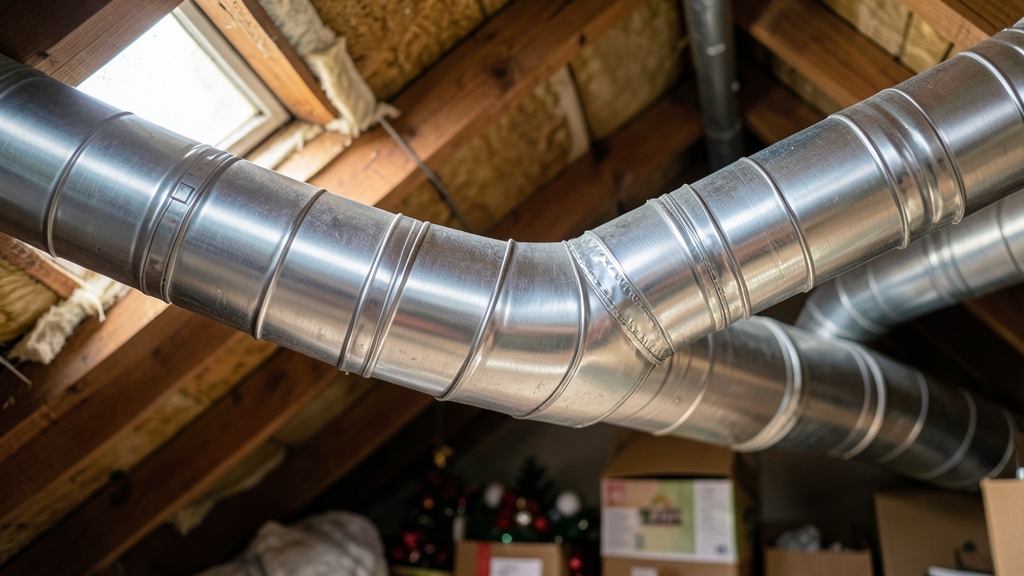
Your HVAC system’s ductwork is the lungs of your home, circulating air through every room. Over time, dust, debris, and even mold can build up, reducing efficiency and indoor air quality. We’ll break down what Apopka homeowners need to know to breathe easier and keep their systems running smoothly.
Why Air Duct Cleaning Matters in Central Florida
Florida’s humidity and frequent AC use create the perfect conditions for dust, mold, and allergens to thrive in your ductwork. Without regular cleaning, these contaminants recirculate through your home every time the system runs.
In neighborhoods like Zellwood or Plymouth, older homes with aging ductwork are especially prone to buildup. Even newer systems in Winter Garden or Ocoee can accumulate debris if filters aren’t maintained.
Signs Your Ducts Need Professional Cleaning
Visible dust blowing from vents is the most obvious red flag. If you notice dust settling on furniture shortly after cleaning, your ducts may be the culprit.
Unexplained allergies, musty odors, or inconsistent airflow are also telltale signs. In Apopka’s climate, mold growth in ducts can worsen respiratory issues, especially during long, humid summers.
Higher energy bills can indicate restricted airflow from clogged ducts. Your HVAC system works harder to compensate, driving up costs and reducing its lifespan.
When to Schedule a Duct Inspection
- Dust or debris visible around supply vents
- Persistent musty or stale odors when HVAC runs
- Allergy or asthma symptoms worsen indoors
- Uneven heating or cooling between rooms
- Recent home renovations or pest infestations
How Air Duct Cleaning Works: Our Process
We start with a thorough inspection using specialized cameras to assess contamination levels in your supply and return ducts. This helps us target problem areas without unnecessary work.
Our team uses high-powered vacuums and agitation tools to dislodge and remove debris. For stubborn mold or microbial growth, we may recommend a follow-up mold and mildew treatment or UV sanitization.
Negative air pressure ensures contaminants are pulled *out* of your home, not pushed further into the system. We also clean components like coils, blower motors, and drain pans to maximize efficiency.
Air Duct Cleaning vs. DIY Solutions
While vacuuming vents or changing filters helps, it doesn’t address deep contamination. Professional equipment reaches into the ductwork’s nooks and crannies where household tools can’t.
| Aspect | Professional Cleaning | DIY Methods |
|---|---|---|
| Depth of Cleaning | Full system (ducts, coils, components) | Surface-level (vents only) |
| Equipment Used | HEPA vacuums, agitation tools, cameras | Household vacuum, brushes |
| Contaminant Removal | Dust, mold, allergens, debris | Visible dust only |
| Safety | Trained technicians, no damage risk | Risk of damaging ducts or spreading contaminants |
| Long-Term Impact | Improves airflow, energy efficiency, IAQ | Temporary relief, minimal impact |
Common Contaminants Found in Apopka Ducts
Dust and dirt are the usual suspects, but Florida homes often battle mold spores due to high humidity. Even well-maintained systems can harbor these if moisture enters the ducts.
Pet dander, pollen, and insect droppings are also common. In older areas like Altamonte Springs, rodent nests or insulation debris may lurk in neglected ductwork.
Construction dust from renovations can cling to duct walls for years, continuously circulating unless professionally removed.
If mold is present, standard cleaning may not be enough. We often pair duct cleaning with mold treatment or UV light installation to prevent regrowth. Never ignore musty smells—mold can spread quickly in humid conditions.
How Often Should You Clean Your Ducts?
The National Air Duct Cleaners Association (NADCA) recommends cleaning every 3–5 years for average homes. However, Apopka’s climate and local conditions may shorten that interval.
Homes with pets, smokers, or allergy sufferers should consider cleaning every 2–3 years. After major renovations or water damage, an inspection is critical to prevent mold growth.
Rental properties or commercial spaces in high-traffic areas like Winter Garden may need more frequent attention. Always replace filters between cleanings to extend the benefits.
Related Services to Improve Indoor Air Quality
Duct cleaning is just one piece of the puzzle. Dryer vent cleaning prevents lint buildup, a fire hazard that also restricts airflow. We often find blocked vents in Ocoee and Zellwood homes during routine inspections.
HVAC coil cleaning removes grime from evaporator and condenser coils, restoring efficiency. For persistent odors or allergens, UV light sanitization or air filter upgrades can provide an extra layer of protection.
Indoor air quality testing helps identify hidden pollutants. If mold or high particulate levels are detected, we tailor solutions like mold treatment or advanced filtration.
After cleaning, upgrade to a high-MERV filter (11–13) to trap smaller particles. Just ensure your HVAC system can handle the increased static pressure—our team can check compatibility.
What to Expect During and After Cleaning
The process typically takes 2–4 hours, depending on your home’s size and ductwork complexity. We’ll seal off work areas to contain dust and protect your furniture.
After cleaning, you may notice improved airflow immediately. Some homeowners report reduced dust accumulation within days. For mold treatments, allow 24–48 hours for sanitizers to fully take effect.
To maintain results, we recommend scheduling annual HVAC maintenance, including filter changes and coil checks. This keeps your system running efficiently between cleanings.
How to Prepare for Air Duct Cleaning in Your Home
A little prep ensures a smooth process and helps our team work efficiently.
- 1Clear the Area
Move furniture, rugs, and breakables away from vents and the HVAC system. This gives us unobstructed access to all ductwork and components.
- 2Secure Pets
Keep pets in a separate room or outdoors. The noise and activity can stress animals, and loose fur can interfere with equipment.
- 3Turn Off HVAC
Switch off your system at the thermostat and breaker to prevent it from running during cleaning. This protects both the equipment and our tools.
- 4Communicate Concerns
Point out problem areas like musty odors, visible mold, or rooms with poor airflow. This helps us focus on your specific needs.
- 5Plan for Access
Ensure gates, doors, or attic hatches are unlocked. Our team may need to access ducts in crawl spaces, attics, or basements.
Frequently Asked Questions
Does air duct cleaning really improve indoor air quality?
Yes, especially in humid climates like Apopka’s. Removing dust, mold, and allergens from ducts reduces the particles circulating in your air. However, it’s most effective when paired with regular filter changes and HVAC maintenance.
Can duct cleaning damage my HVAC system?
Not when performed by professionals. We use soft-bristle brushes and controlled vacuum pressure to avoid harming ductwork. Inexperienced DIY attempts, however, can puncture flex ducts or dislodge joints.
How much does air duct cleaning cost in Apopka?
Costs vary based on factors like home size, duct material, and contamination level. Larger homes, complex layouts, or mold remediation will increase the scope. Request a quote for an accurate estimate tailored to your system.
Will cleaning my ducts lower my energy bills?
Clean ducts improve airflow, allowing your HVAC to operate more efficiently. While savings depend on your system’s condition, many homeowners see a reduction in energy use after removing blockages.
Is duct cleaning necessary if I change my filters regularly?
Filters catch many particles, but they don’t stop dust from settling in ductwork over time. Regular cleaning addresses the buildup that filters can’t, especially in older homes or high-humidity areas.
Do you serve areas near Apopka like Winter Garden or Altamonte Springs?
Absolutely. We provide air duct cleaning, dryer vent cleaning, and related services across Central Florida, including Winter Garden, Altamonte Springs, Ocoee, Zellwood, and Plymouth. Local expertise matters—we understand the region’s unique climate challenges.