Apopka’s Most Common Duct Problems and How to Address Them
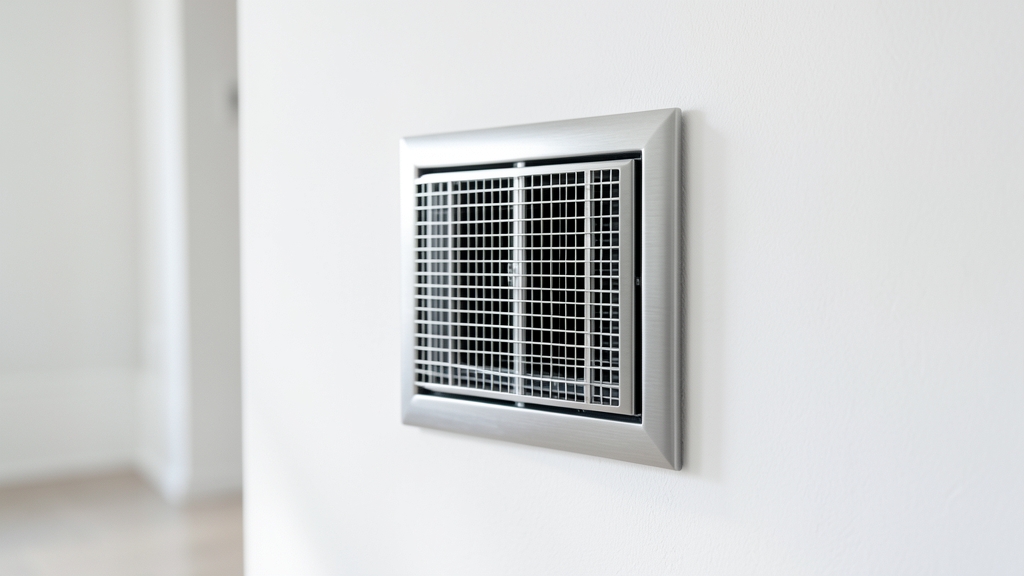
Central Florida’s humidity and seasonal pollen take a toll on ductwork. We see the same issues again and again in Apopka homes and businesses—problems that hurt air quality, spike energy bills, and strain HVAC systems. Here’s what’s really going on inside your ducts and how to fix it for good.
Dust and Debris Buildup: The Silent Efficiency Killer
Fine dust, pet hair, and fabric fibers accumulate in duct bends and supply registers. Over months, this layer restricts airflow, forcing your blower motor to work harder and shortening its lifespan.
In older Apopka neighborhoods like Zellwood or Plymouth, aging flex duct is especially prone to sagging, creating low spots where debris collects faster. Regular cleaning prevents this buildup from circulating back into living spaces.
A clogged air filter accelerates duct contamination. Replace 1-inch filters every 30–60 days in Florida’s high-pollen seasons.
Mold and Mildew Growth in High-Humidity Ducts
Our humid subtropical climate creates ideal conditions for mold spores to colonize duct interiors. Dark, damp sections—especially near the evaporator coil or poorly sealed joints—are hotspots.
Mold releases microscopic spores and mycotoxins that aggravate allergies and asthma. If you notice musty odors when the AC kicks on, it’s often a sign of hidden mold in the ductwork or coil.
Mold on the evaporator coil spreads quickly into ducts. Coil cleaning should be part of any mold remediation in your system.
Pest Infestations: More Common Than You Think
Rats, mice, and even insects find their way into ducts through gaps in the attic or crawl space. Nesting materials and droppings contaminate airflow and can damage duct lining.
In rural pockets near Ocoee or Winter Garden, critter activity spikes during cooler months. A thorough inspection often reveals entry points that need sealing after the ducts are cleaned.
Poorly Sealed or Damaged Ductwork
Leaky joints and tears in ductwork waste 20–30% of conditioned air before it reaches your rooms. This forces your system to run longer, driving up energy costs in Apopka’s hot summers.
Improperly installed flex duct can kink or collapse, further restricting airflow. Rigid metal duct is more durable but requires precise sealing at every connection.
| Material | Durability | Airflow Efficiency | Cost to Install |
|---|---|---|---|
| Rigid Metal (Galvanized Steel) | High | Excellent | Higher |
| Fiberglass Duct Board | Moderate | Good | Moderate |
| Flexible Duct (Flex) | Low | Fair (prone to kinking) | Lower |
Allergen and Pollen Overload from Outdoor Air
Florida’s year-round pollen and ragweed seasons mean outdoor contaminants constantly enter your system. Without a high-MERV filter or regular duct cleaning, these particles recirculate endlessly.
For allergy sufferers in areas like Altamonte Springs, we often recommend adding UV light treatment to neutralize airborne allergens and bacteria between cleanings.
Dryer Vent Clogs: A Fire Hazard Hiding in Plain Sight
Lint buildup in dryer vents restricts airflow, causing dryers to overheat and increasing fire risk. In Apopka’s tightly built subdivisions, long vent runs exacerbate the problem.
A clogged dryer vent also extends drying times, wasting energy. We include dryer vent cleaning as part of our duct service to address both safety and efficiency.
Signs Your Dryer Vent Needs Cleaning
- Clothes take longer than one cycle to dry
- Lint trap fills up unusually fast
- Dryer feels hot to the touch after running
- Musty odor on freshly dried laundry
Negative Air Pressure and Backdrafting Issues
Improperly balanced duct systems create negative pressure, pulling unconditioned air from attics or crawl spaces. This can introduce dust, insulation fibers, and even carbon monoxide from combustion appliances.
In older Apopka homes, we often find supply and return ducts sized incorrectly, worsening the imbalance. A professional duct assessment identifies and corrects these flow issues.
When to Call a Pro vs. DIY Fixes
Surface dust on vents can be vacuumed, but deep duct contamination requires professional equipment. Our team uses high-powered vacuums and agitation tools to dislodge debris without damaging ductwork.
For mold, pest infestations, or suspected asbestos in older duct insulation, always hire qualified technicians. Safety and thoroughness matter more than a quick fix.
How to Inspect Your Ducts for Problems
A quick visual check can reveal obvious issues before they worsen.
- 1Remove and Inspect Vent Covers
Use a screwdriver to remove supply and return registers. Shine a flashlight inside to look for dust buildup, mold spots, or pest droppings.
- 2Check for Airflow Differences
Hold a tissue near each vent while the system runs. Weak or no airflow suggests blockages or leaks in the duct run.
- 3Listen for Unusual Noises
Whistling or rattling often indicates loose duct sections or obstructions. Hissing may signal air leaks at joints.
- 4Smell for Musty or Stale Odors
Turn on the HVAC and sniff near the vents. Persistent musty smells usually mean mold or mildew in the ductwork or coil.
- 5Inspect the Air Handler
Open the access panel to your air handler (turn off power first). Look for dust caked on the blower fan or coil, which reduces efficiency.
- 6Test for Negative Pressure
Close all windows and doors, then crack open a door to a room with a supply vent. If the door slams shut, negative pressure may be pulling air from unintended sources.
Frequently Asked Questions
How do I know if my Apopka home has mold in the ducts?
Musty odors when the AC runs, visible black or green spots inside vents, or unexplained allergy flare-ups are red flags. A professional inspection with a borescope camera confirms mold presence. We often pair duct cleaning with mold treatment for lasting results.
Can dirty ducts really make my energy bills higher?
Absolutely. The EPA estimates that dirty ducts can reduce HVAC efficiency by 20–30%. Restricted airflow forces your system to run longer to maintain temperature, especially during Apopka’s brutal summer heat.
Is duct cleaning messy? Will it damage my home?
Not with proper equipment. We use contained vacuum systems that vent debris outside, and protective drop cloths to keep your home clean. For older or fragile ductwork, we adjust our methods to prevent damage.
Do I need duct cleaning if I just replaced my HVAC system?
Yes, especially if the old system was contaminated. New equipment pushes air through the same dirty ducts, quickly re-soiling coils and filters. Cleaning the ducts before or right after installation protects your investment.
What’s the difference between duct cleaning and coil cleaning?
Duct cleaning removes debris from the airflow pathways, while coil cleaning targets the evaporator and condenser coils where mold and dirt reduce heat transfer. Both are critical for efficiency and air quality—we often do them together.
Are UV lights worth it for Apopka homes?
For homes with mold issues, allergies, or high humidity, UV lights installed in the ductwork or near the coil can kill mold spores, bacteria, and viruses. They’re a smart add-on to duct cleaning for ongoing air purification.