From Blower Compartments to Registers: The Anatomy of Your Apopka Home’s Ductwork
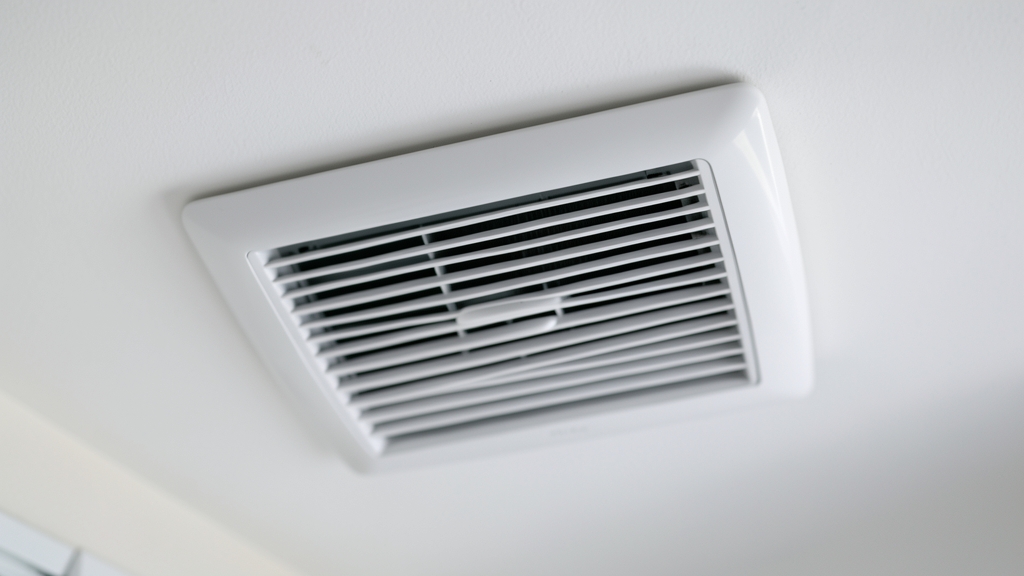
Your home’s ductwork is more than just a maze of metal or flex tubing—it’s the respiratory system of your HVAC. In Apopka’s humid climate, understanding its anatomy helps you spot inefficiencies, prevent mold, and keep airflow crisp. Let’s break it down, component by component.
The Heart: Blower Compartment and Air Handler
The air handler houses the blower motor, the engine that pushes conditioned air through your ducts. In Apopka homes, this unit often sits in the garage, attic, or a dedicated closet, paired with the evaporator coil to cool or heat air before distribution.
A clogged blower wheel or dirty coil here can slash efficiency by 20-30%, forcing your system to work harder. Regular coil cleaning and filter changes prevent this strain.
High moisture levels accelerate coil corrosion and mold growth. Schedule HVAC coil cleaning annually if you notice musty odors or reduced airflow.
The Backbone: Supply and Return Plenums
Plenums are the large metal boxes that distribute air from the air handler (supply) or collect it back (return). In older Apopka homes, supply plenums may lack proper sealing, leaking cooled air into attics—wasting energy and inviting pests.
Return plenums pull air from your living spaces, filtering it before it cycles back through the system. A blocked return grille starves the system of airflow, increasing static pressure and reducing comfort.
The Arteries: Trunk Lines and Branch Ducts
Trunk lines are the main ducts branching off the supply plenum, feeding air to secondary branch ducts. In Apopka’s ranch-style homes, trunks often run through attics or crawl spaces, where insulation and sealing are critical to prevent energy loss.
Branch ducts split off to deliver air to individual rooms. Poorly designed branches can create imbalances—some rooms stay stuffy while others freeze. This is common in homes with DIY ductwork or additions.
| Material | Pros | Cons | Best For |
|---|---|---|---|
| Sheet Metal | Durable, non-porous, resists mold | Prone to condensation, noisy if uninsulated | Trunk lines, plenums |
| Flex Duct | Easy to install, flexible routing | Kinks restrict airflow, tears common | Branch ducts, tight spaces |
| Fiberglass Duct Board | Insulated, sound-absorbing | Porous, can harbor mold if wet | Low-velocity systems |
The Outlets: Supply Registers and Return Grilles
Supply registers are the visible vents where conditioned air enters your rooms. In Apopka, dust and pollen clog their fins, restricting flow. Vacuum them monthly and ensure dampers (if present) are fully open.
Return grilles are larger, often wall-mounted, and pull air back to the system. They’re prime spots for dust buildup—neglecting them can circulate allergens through your entire home.
Furniture, rugs, or closed doors can block return grilles, reducing airflow. Keep at least 18 inches of clearance for optimal performance.
The Hidden Culprits: Dampers and Transitions
Dampers are valves in your ducts that control airflow to specific zones. In multi-story Apopka homes, they help balance temperatures between floors. But if stuck or misadjusted, they can create hot and cold spots.
Transitions—where ducts change size or direction—are common leak points. Poorly sealed transitions in attics or crawl spaces can account for 10-20% of your system’s energy loss.
Why Apopka’s Climate Demands Extra Attention
Our humid subtropical climate means your ducts are constantly battling moisture. In uninsulated attics, warm, humid air condenses on cool duct surfaces, creating a breeding ground for mold and mildew.
Neighboring areas like Ocoee and Winter Garden share similar conditions. Without proper sealing and insulation, ductwork in these regions suffers from the same efficiency and air quality issues.
Signs Your Ducts Need Inspection
- Uneven temperatures between rooms
- Visible dust or debris around registers
- Musty odors when the HVAC runs
- Higher-than-usual energy bills
- Allergy symptoms worsen indoors
Beyond Cleaning: Services That Protect Your Ductwork
Air duct cleaning removes dust, pollen, and debris, but it’s just the start. In Apopka, we often pair it with mold and mildew treatment to combat humidity-related spores in the system.
For commercial properties in Altamonte Springs or Zellwood, we scale up with UV light sanitization and coil cleaning to meet higher air quality standards. Dryer vent cleaning is another critical service—lint buildup in vents is a fire hazard in any home.
How to Inspect Your Ductwork for Common Issues
A quick DIY check can reveal problems before they escalate.
- 1Check for Visible Leaks
Turn on your HVAC and feel along duct seams in the attic or basement for airflow. Use a flashlight to spot gaps or disconnected sections.
- 2Test Airflow at Registers
Hold a tissue near each supply register. Weak airflow may indicate blockages, kinked flex ducts, or a failing blower motor.
- 3Look for Dust and Debris
Remove register covers and shine a light inside. Excessive dust or mold-like spots mean it’s time for a professional cleaning.
- 4Listen for Unusual Noises
Whistling or rattling sounds often signal loose ductwork or obstructions. Banging could mean a damper or blower wheel issue.
- 5Assess Temperature Consistency
Use a thermometer to compare room temps. Variations of more than 2-3 degrees suggest airflow imbalances or duct leaks.
Frequently Asked Questions
How often should I have my ducts cleaned in Apopka?
We recommend every 3-5 years for most homes, but households with pets, allergies, or recent renovations may need it more frequently. Apopka’s humidity can accelerate dust and mold buildup, so annual inspections are wise.
Can dirty ducts make my allergies worse?
Absolutely. Dust mites, pollen, and mold spores thrive in unclean ductwork. When the HVAC runs, it circulates these allergens throughout your home, exacerbating symptoms. Indoor air quality testing can confirm the issue.
Why do some rooms in my house stay warmer than others?
This is usually due to imbalanced airflow, often caused by closed dampers, kinked flex ducts, or undersized branch ducts. In older homes around Zellwood or Plymouth, poorly designed duct systems are a common culprit.
Is duct sealing worth it for my Apopka home?
Yes—sealing leaks can improve energy efficiency by up to 20% and prevent humid outdoor air from entering the system. It’s especially valuable in attics and crawl spaces where ducts are exposed to extreme temperatures.
What’s the difference between duct cleaning and HVAC coil cleaning?
Duct cleaning focuses on removing debris from the ductwork itself, while coil cleaning targets the evaporator and condenser coils in your air handler or outdoor unit. Both are critical—dirty coils reduce efficiency and can lead to system failure.
Do you service areas outside Apopka?
Yes, we serve nearby communities including Ocoee, Winter Garden, Altamonte Springs, Zellwood, and Plymouth. Our team is familiar with the unique ductwork challenges in each area, from older homes to newer constructions.